Alchemical Symbolism in the 1909 Waite-Smith Tarot Deck
Explore alchemical symbolism in the Waite-Smith tarot deck, decoding the Magnum Opus, esoteric Hermeticism, and spagyric transformation across the cards.
The 78 Keys of Archetypal Initiation & Cosmic Blueprint
Tarot is not passive fortune-telling; it is an active multidimensional map of the subconscious mind, sacred mathematics, and the Hermetic Tree of Life.

Epistemological principles, cosmological framework, and ontological mechanics.
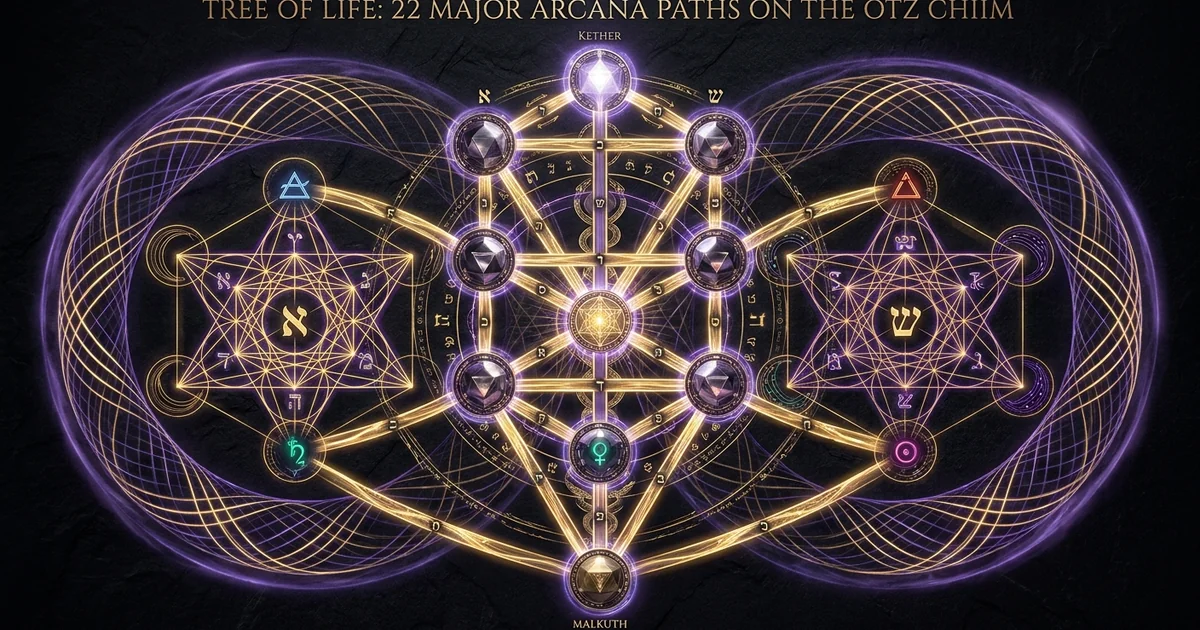
The Tarot is an encyclopedic pictorial treatise on Western esotericism, whose origins weave through 15th-century Italian Renaissance trionfi into the 18th-century French occult revival of Antoine Court de Gébelin and Éliphas Lévi. It reached its zenith under the Hermetic Order of the Golden Dawn, where the 22 Major Arcana were recognized not as mere gaming cards, but as the pictorial representation of the 22 paths connecting the Sephiroth on the Kabbalistic Tree of Life, each aligned with a letter of the Hebrew alphabet and an astrological glyph.
Philosophically, the deck operates as a dynamic cognitive mirror grounded in Carl Gustav Jung's principle of synchronicity and archetypal psychology. The cards bypass left-hemisphere semantic filters, allowing the querent to interface directly with the unconscious through symbolic projection and active imagination. Every layout establishes a transient mandala—a localized cross-section of the individual's internal psyche intersecting with external temporal currents.
Mechanically, the 78 keys decompose into four hierarchical strata: the 22 Major Arcana (macrocosmic spiritual initiation and the Fool's evolutionary ascent), the 40 Minor Arcana pip cards (microcosmic elemental permutations across the Four Kabbalistic Worlds: Atziluth, Briah, Yetzirah, and Assiah), and the 16 Court Cards (sub-elemental personifications of the human psyche). When interpreted through strict elemental dignities, the deck forms an uncompromising algebraic calculus of metaphysical cause and effect.
Systematized repositories, categorical frameworks, and primary archetypal divisions.
Exhaustive symbolic, elemental, and esoteric decodings of all 78 tarot keys.
From Renaissance Visconti trionfi to the 19th-century French revival and Golden Dawn transformations.
Mapping the 22 Major Arcana to the 32 Paths of Wisdom, Hebrew letters, and Sephirotic descents.
Architectural layouts from the classic Celtic Cross to the Astrological Wheel and Tree of Life spreads.
Systematic pedagogical progression from elemental principles to operative synthesis.
Establish core symbolic fluency, elemental correspondences, and daily intuitive extraction discipline.
Deepen analytical spread geometry, elemental dignities, reversals, and cartomantic timing protocols.
Transmute cartomancy into high-order Hermetic pathworking, astral projection, and Qabalistic scrying.
Exhaustive historical analysis, metaphysical mechanics, and empirical syntheses.

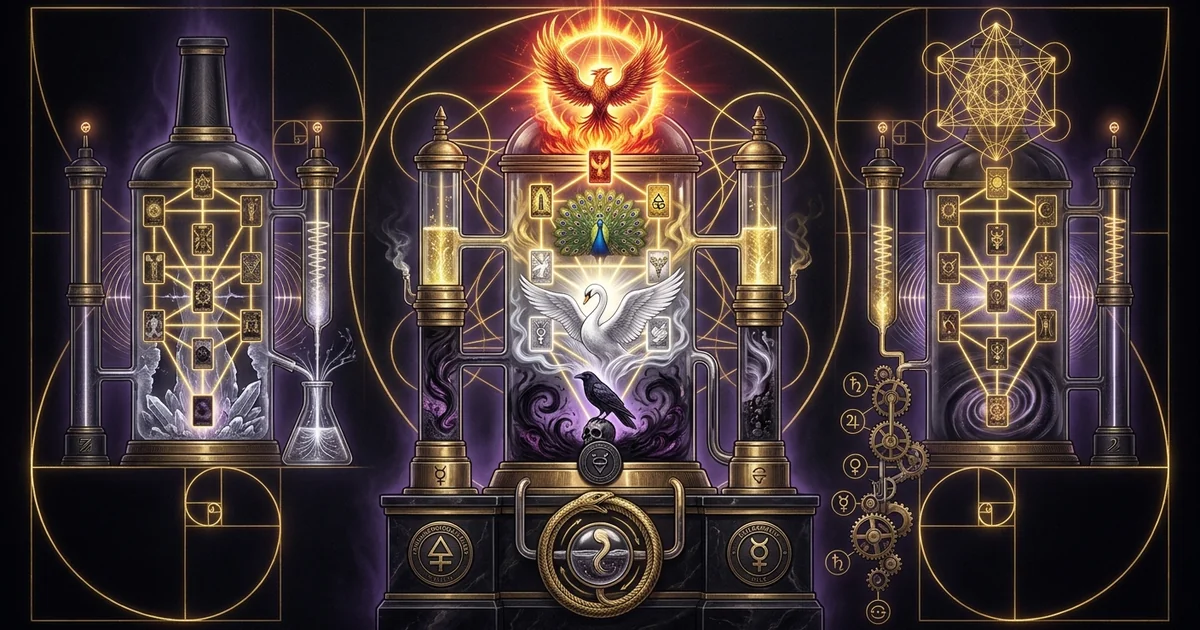
Explore alchemical symbolism in the Waite-Smith tarot deck, decoding the Magnum Opus, esoteric Hermeticism, and spagyric transformation across the cards.

Explore the tree of life 22 major arcana paths through Sepher Yetzirah linguistics and Golden Dawn Hermetic tarot to map human psychic evolution.

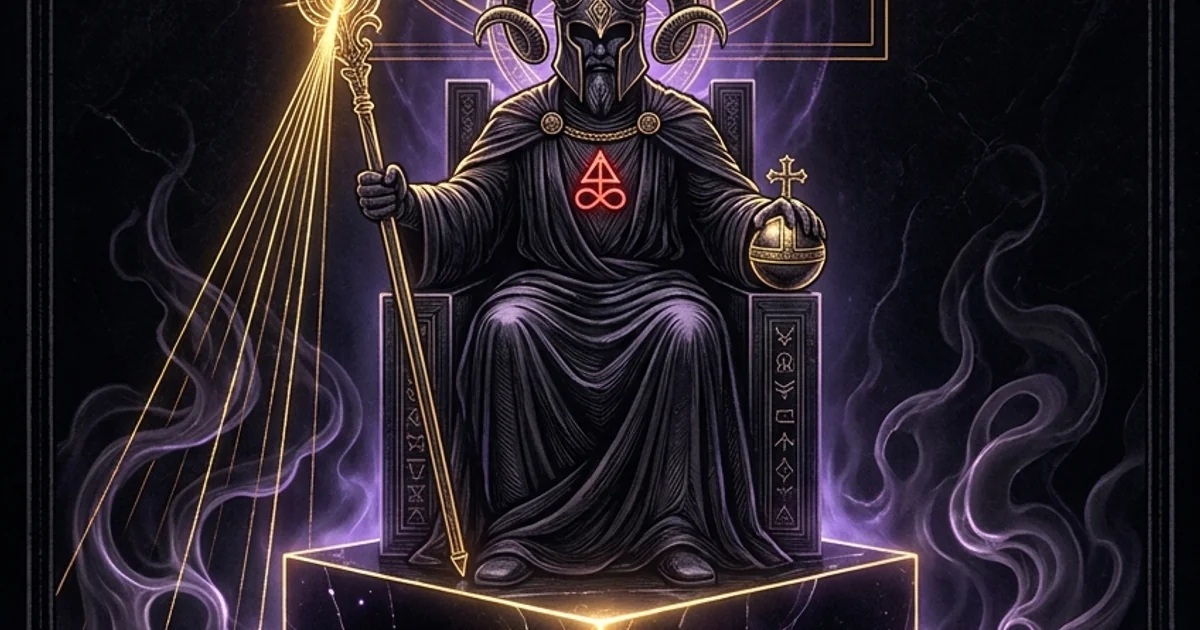
Discover how the emperor archetype sacred order establishes sovereign structure, transmuting primordial chaos into an enduring metaphysical reality.

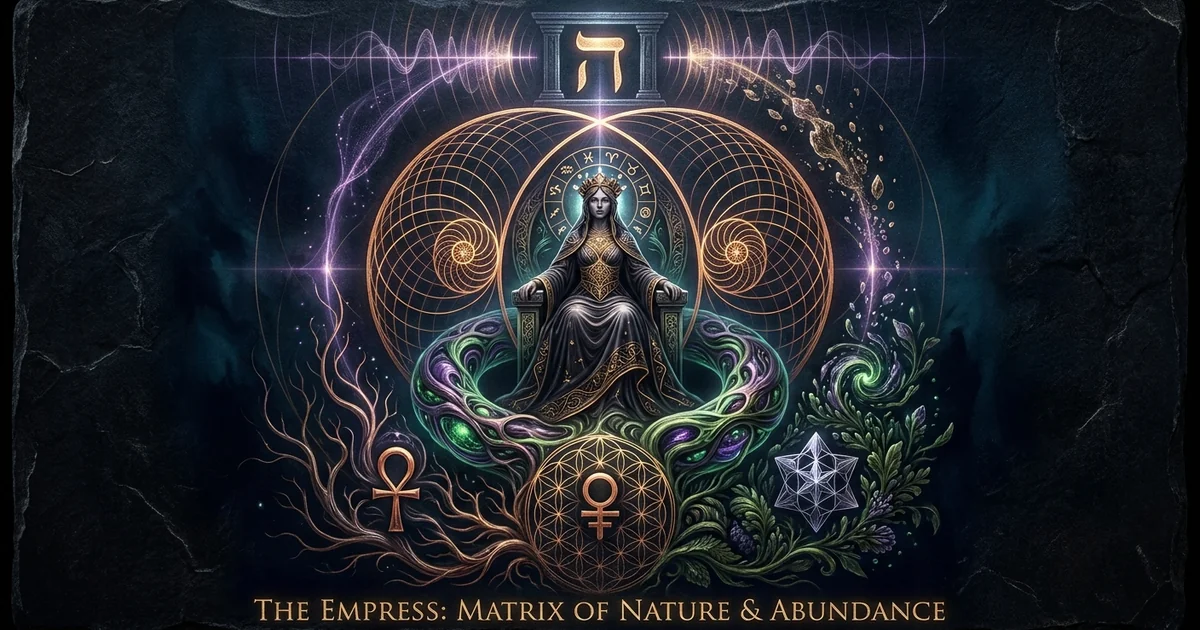
Analyze the empress archetype nature abundance matrix through Major Arcana Key 3, bridging Hermetic Daleth, creative fertility, and cosmic manifestation.

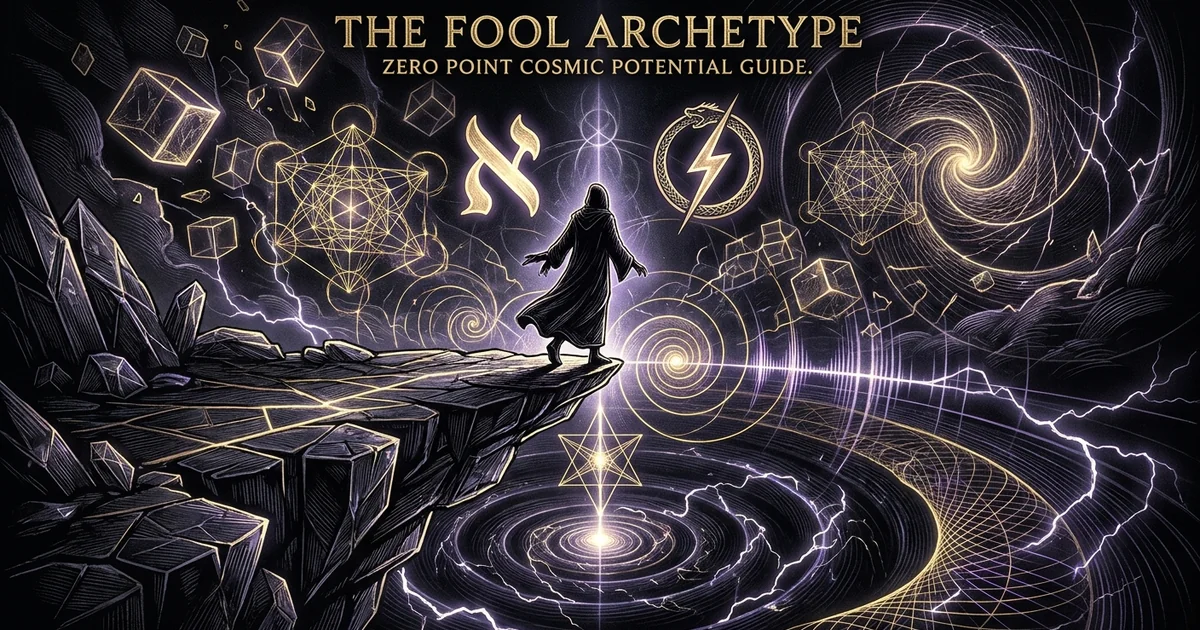
Analyzing the fool archetype zero point as a quantum vacuum state of consciousness, unifying Qabalistic Aleph, Uranus, and ontological potential.

Analyze the hierophant sacred doctrine mysteries to discover how Major Arcana V mediates transcendental gnosis through disciplined initiatory traditions.

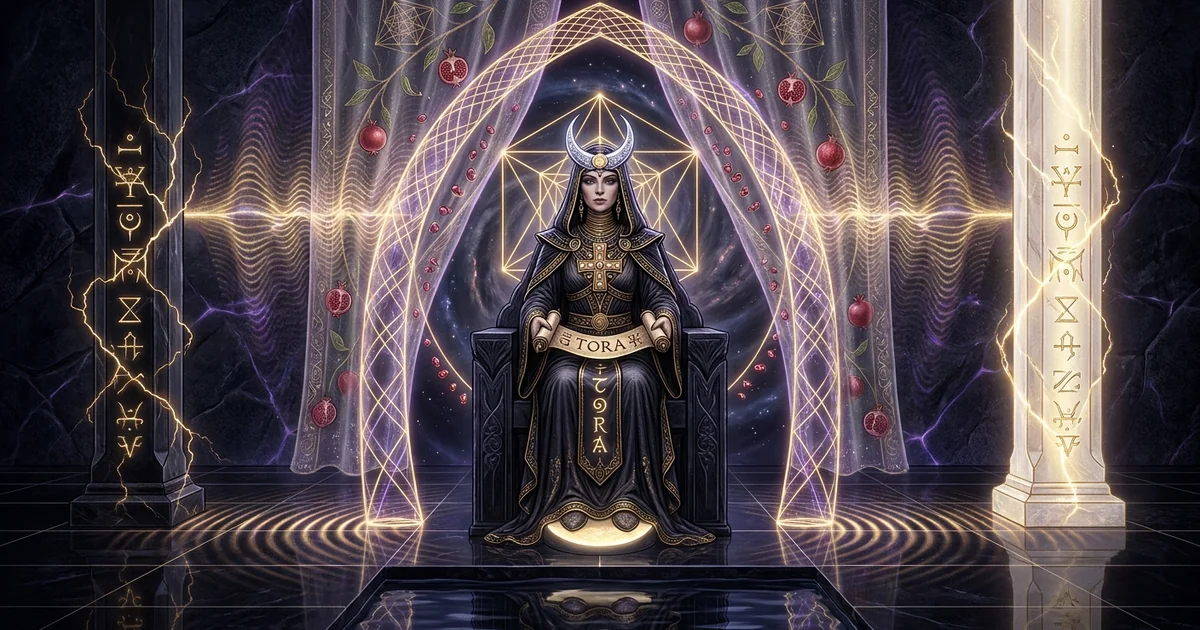
Explore the high priestess intuitive wisdom as a formal epistemological system navigating Path 13, the subconscious threshold, and archetypal dualities.

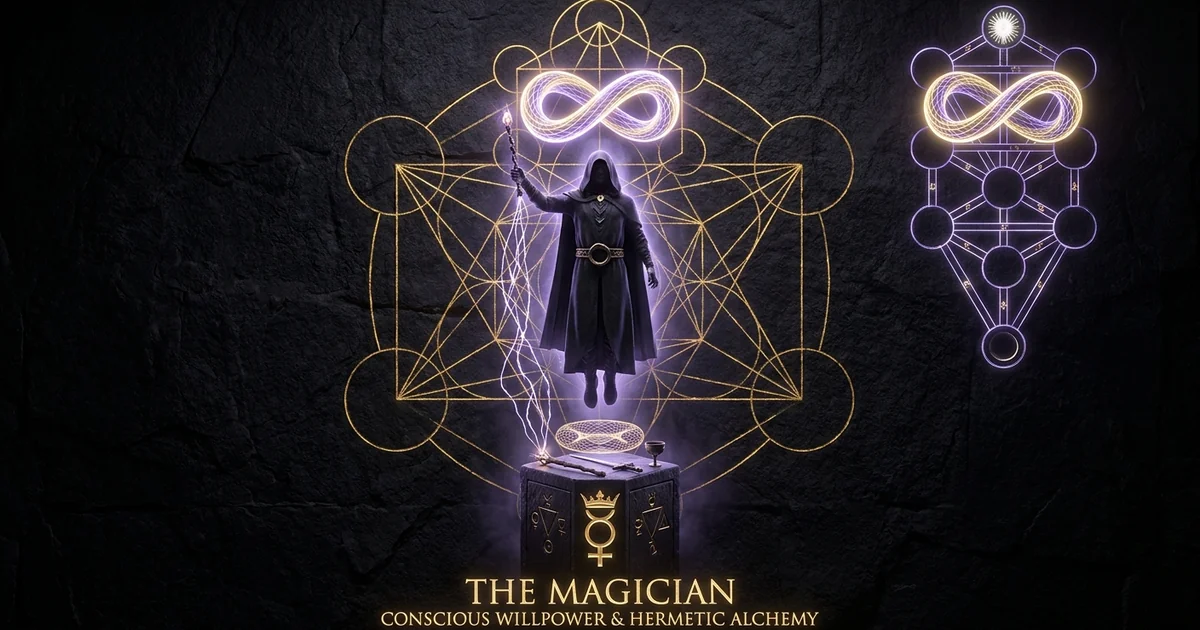
Master the magician archetype willpower alchemy to transmute transcendent potential into focused conscious manifestation through rigorous Hermetic praxis.

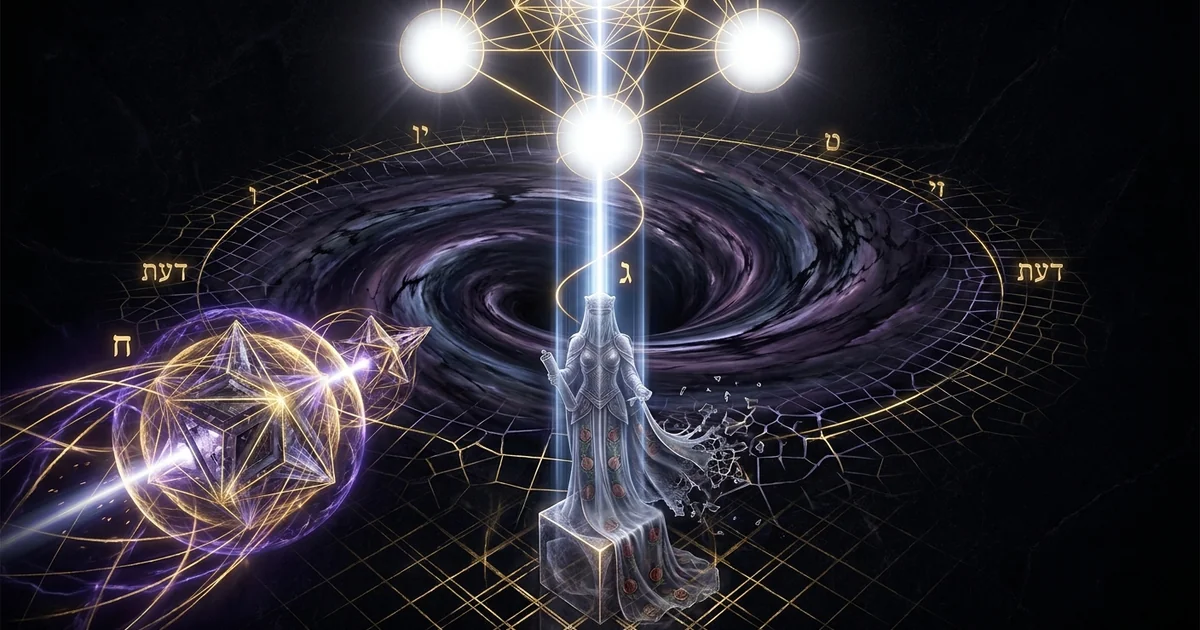
Explore the abyss daat high priestess chariot tarot paths to discover how axial stillness and lateral armored containment navigate Supernal consciousness.
Full categorical archive of all 111 authoritative treatises, historical decodings, and practical commentaries across this domain.
Exhaustive symbolic, elemental, and esoteric decodings of all 78 tarot keys.
From Renaissance Visconti trionfi to the 19th-century French revival and Golden Dawn transformations.
Mapping the 22 Major Arcana to the 32 Paths of Wisdom, Hebrew letters, and Sephirotic descents.
Architectural layouts from the classic Celtic Cross to the Astrological Wheel and Tree of Life spreads.
Experience esoteric wisdom through digital simulation. Our specialized apps model traditional archetype distributions and energetic resonance calculations in real-time.
Full-Spectrum Divination & Multi-Tradition Astrological Synthesis Workstation
Daily Astrological Timing, Natal Transits & Personal Divination Companion
How Tarot Knowledge Hub intersects with companion traditions across the four hermetic pillars.
Hermetic Qabalah & The 22 Paths
Astrological Decans & Planetary Rulerships
Jungian Synchronicity & Archetypal Active Imagination
Authoritative answers to primary inquiries, historical controversies, and esoteric mechanics.
Tarot originated in northern Italy during the mid-15th century as a card game known as Trionfi (triumphs), exemplified by the Visconti-Sforza decks created for Milanese nobility. It was not until the late 18th century in France, through the esoteric writings of Antoine Court de Gébelin and Jean-Baptiste Alliette (Etteilla), that the cards were explicitly identified as an ancient repository of Egyptian and Hermetic wisdom and systematically adapted for occult divination.
In the late 19th century, occultist Éliphas Lévi and subsequently the Hermetic Order of the Golden Dawn established the definitive synthesis between Tarot and Kabbalah. The 22 Major Arcana correspond exactly to the 22 connecting paths of the Otz Chiim (Tree of Life) and the 22 letters of the Hebrew alphabet. Furthermore, the four suits correspond to the Four Worlds (Atziluth, Briah, Yetzirah, Assiah) and the tetragrammaton (YHVH), making Tarot a complete visual map of Kabbalistic cosmology.
The Rider-Waite-Smith (RWS) deck, published in 1909 and illustrated by Pamela Colman Smith under Arthur Edward Waite, introduced pictorial narrative scenes for all 56 Minor Arcana and is steeped in Christian mysticism and Golden Dawn symbolism. The Crowley-Harris Thoth deck (1944), painted by Lady Frieda Harris, incorporates Thelemic philosophy, intense astrological decan symbolism, dynamic non-Euclidean projective geometry, and renames several trumps (e.g., Justice becomes Adjustment; Strength becomes Lust).
Modern esoteric and psychological perspectives, pioneered by Carl Jung, view Tarot not as deterministic fortune-telling, but as an archetypal mirror reflecting the querent's subconscious dynamics and emerging potentials. Through the principle of synchronicity—an acausal connecting principle—random card selections reveal non-local alignments between the inner psyche and outer temporal currents, illuminating trajectories rather than immutable destinies.
Elemental dignities evaluate how adjacent cards modify one another based on classical elemental compatibility: Fire and Air are mutually supportive and active; Water and Earth are harmoniously receptive; whereas Fire and Water, or Air and Earth, produce tension, boiling, or stagnation. Evaluating these interactions allows an adept reader to discern whether a card's inherent power is magnified, compromised, or neutralized within a spread.